
Four checks, twenty minutes and a moisture meter are usually enough to separate bamboo charcoal fibre wall panel that will last from material that will not, and none of them require a laboratory. This collects feedback from buyers across several markets, including the criticisms. Solid colours are usually chosen for ceilings and secondary walls, where a pattern would add unwanted visual noise. Very smooth surfaces show fingerprints in high-traffic areas, while deeply textured surfaces can collect dust in the recesses and need a brush rather than a cloth.
Choosing a Surface Texture
What Buyers Usually Ask First
Textures range from smooth matte through fine wood grain to deeper embossed patterns, and the depth of the emboss influences how visible dust becomes. The same logic applies to the next decision, with one important qualification. Wood grain finishes are most convincing when the print is synchronised with the emboss, so the texture follows the grain lines rather than running across them. We keep master plates of every texture we run, which is how a reorder two years later can still be matched exactly.
Walls that have been painted over wallpaper, or that have more than two coats of distemper, are better covered with a batten frame than bonded directly. A painted wall can usually accept panels directly, provided the paint is sound and well bonded rather than flaking or chalky. Where the existing paint is lime-based, the wall may hold moisture for longer than expected, and a moisture reading before fixing is the simplest safeguard. Every additional finish in an order adds a production setting, and each setting adds a little risk.
Where Bamboo Charcoal Fiber Wall Panel is used across a large project, batch-to-batch consistency matters more than any single headline number. The charcoal fraction in the core moderates humidity swings rather than blocking them, which keeps the wall surface from cycling as sharply. In a humid southern spring, the failure mode on a wall is usually condensation on a cold surface, and a panel with low thermal mass reduces how long that surface stays cold. We advise against sealing a wall completely in an unventilated room, because trapped moisture will find a way out through the joints eventually.
- Colour consistency against the approved master sample, viewed under daylight rather than office lighting
- Dimensional tolerance measured at three points along each panel, not only at the centre
- Moisture content of the incoming raw material before it is released to the line
- Surface finish and print registration checked across neighbouring panels in the same bundle
Office Interiors
For Bamboo Charcoal Fiber Wall Panel, the decisive factors are dimensional stability, surface durability and how reliably the delivery schedule holds. Panels can be installed over existing plasterboard without a wet trade, which keeps a working floor occupied while the work proceeds. Partition walls, meeting-room feature walls and reception elevations are the most common applications, often in two or three coordinated tones rather than one. Acoustic comfort is improved by the cavity behind a framed installation, and where speech privacy matters the brief should say so before the frame is built.
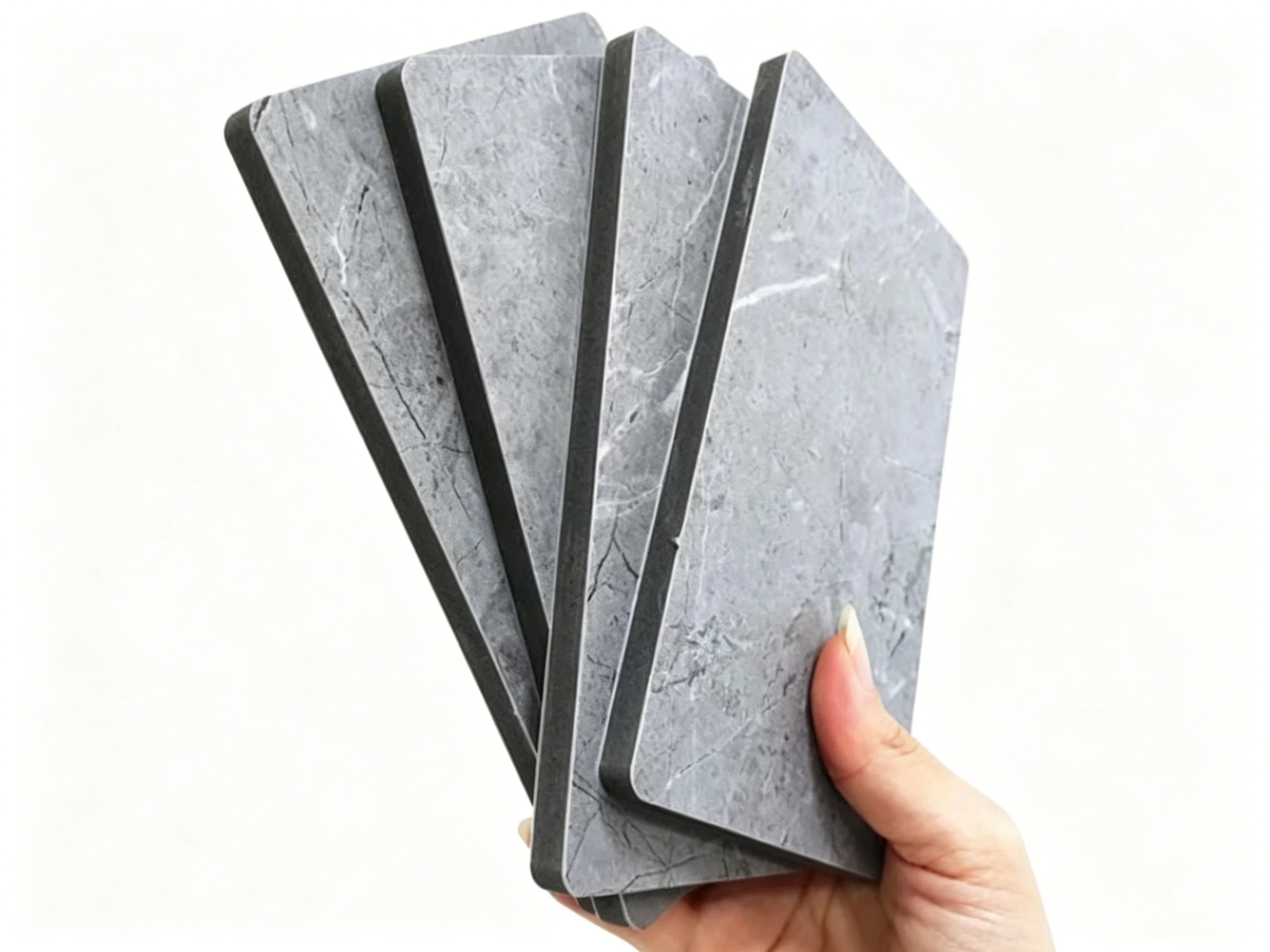
Moisture and Antibacterial Performance
Specifying bamboo Charcoal Fiber Wall Panel starts with the substrate, the exposure and the traffic the surface has to survive. Bamboo charcoal powder is blended into the core rather than coated onto it, so the moisture behaviour of the panel is a property of the material and not of a surface layer that can be scratched away. In practice the most useful benefit is that a wall stays visually stable during a humid month, without the swelling and joint opening seen in some wood-based boards. The material is not a substitute for ventilation, and we tell customers so, because no panel performs well in a room where moisture is allowed to accumulate.
- Confirm the application, the substrate and the traffic the surface will face
- Agree the material build and the measurable tolerances, in writing
- Approve the physical colour sample under the lighting of the final space
- Run a pilot batch and hold a reference panel from it
Ventilation during the first weeks after installation lowers measured concentrations in any room, which is normal building practice rather than a sign of a defective product. Emission performance depends on the binder chemistry, and a panel that uses no formaldehyde-based resin in its core removes the source rather than diluting it. We supply the emission documentation with the consignment, because a claim in a brochure is difficult to defend during a project audit. A a Bamboo Charcoal Fiber Wall Panel Manufacturer that controls its own compounding, tooling and packing can answer a specification question in minutes instead of forwarding it to a third party.
Installation Methods
Expansion gaps at the perimeter are left small but deliberate, and covering them with a trim is what makes the whole wall read as a single surface. Panels are fixed either with adhesive applied in beads to a flat wall, or with clips onto a batten frame when the wall is uneven or a cavity is needed. The most common installation error is fixing to a damp substrate, which traps moisture and shows up as a stain or a lifted joint months later. Adhesive fixing works best on a sound, dry, dust-free substrate, and the wall’s flatness matters far more than its age.
Demand for Bamboo Charcoal Fiber Wall Panel has moved towards systems that install dry and can be worked on the day they arrive. A single room normally reads better with one texture family across all surfaces, with a change of colour rather than of texture marking a boundary. Nobody remembers the container that arrived on time; everybody remembers the one that did not, which is why schedule discipline is a commercial feature. Clear drawings, fixed tolerances and one signed master sample remove most of the reasons a project can go wrong.
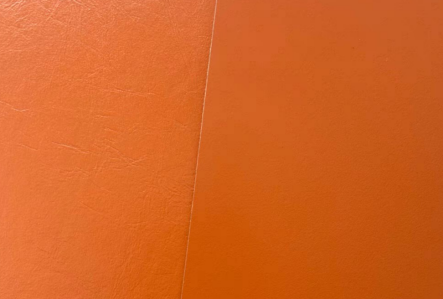
Projects with a similar brief usually specify a fire resistant wall board factory at the same stage, and for the same reasons. Painting is not a prerequisite at all in new work, and specifying panels over bare plasterboard is common in commercial fit-outs. It is a small detail with a disproportionate effect on how the finished job looks. Filling and levelling is only necessary where the unevenness would show through a thin panel or prevent the adhesive from making continuous contact. Gloss paint should be sanded or primed to give the adhesive something to grip, because a smooth sealed film offers very little mechanical key. Buyers who write the tolerance down and measure against it rarely have to argue about quality at all.
Contact our export team with the quantities and the destination port, and we will confirm the packing plan, the container utilisation and the delivery date in writing.