
The fit of a girl's suit can completely change how the outfit looks, feels, and performs throughout the day. A well-fitted outfit should allow comfortable movement while still looking neat and well-shaped. Whether the suit is being prepared for school, a family gathering, a wedding, Eid, or everyday wear, the right girls suit design should balance comfort, proportions, fabric, and personal style. 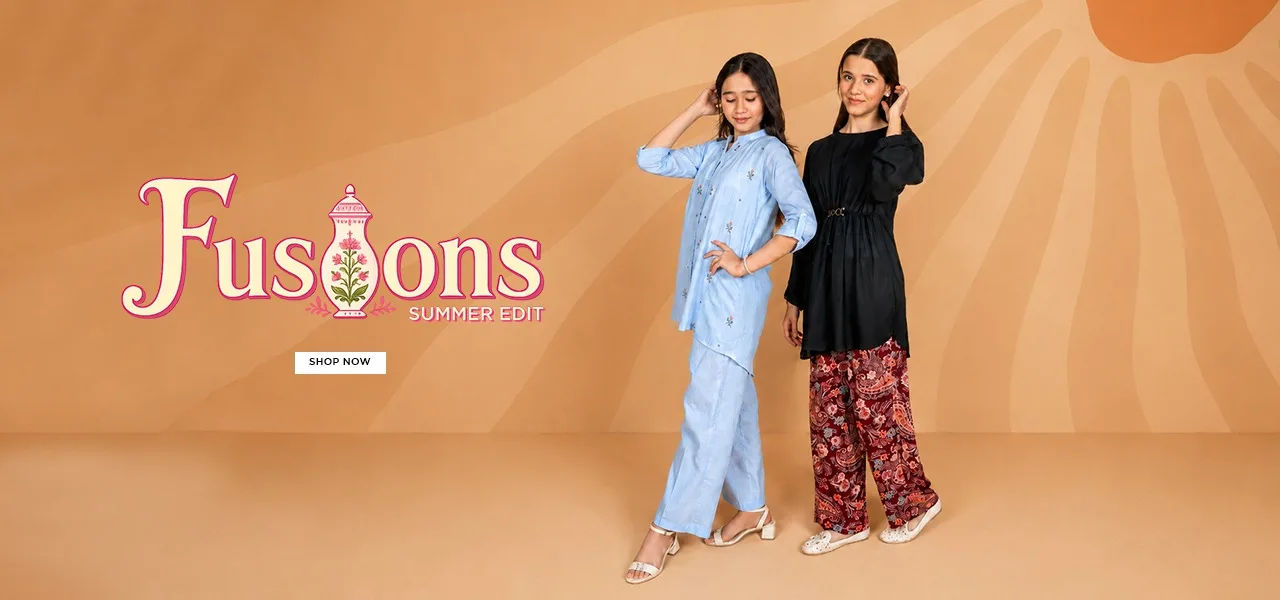 Fit is not simply about making clothes tight or loose.
It is about creating enough room in the right places while keeping the overall shape polished. A suit that fits correctly allows a girl to sit, walk, raise her arms, and move naturally without constantly adjusting her clothes.
Understanding how different parts of a suit should fit makes shopping and tailoring much easier. Small details such as shoulder width, sleeve length, trouser shape, neckline, and shirt length can make a surprisingly large difference.
What Makes a Girls Suit Fit Properly?
A properly fitted suit should follow the natural shape of the body without restricting movement. It should not pull, bunch, sag, or create unnecessary folds when the wearer is standing or moving.
The most important point is comfort. Girls are often active even when wearing formal clothing. They may spend hours attending events, sitting on the floor, eating meals, playing with relatives, or moving between different rooms. Clothing needs to accommodate that reality.
A good fit should therefore provide freedom rather than forcing the wearer to maintain one posture.
Should the Shirt Be Loose or Fitted?
For most girls, a slightly relaxed shirt is more practical than a tightly fitted one. The shirt should have enough space around the chest, waist, and hips to allow comfortable movement.
A very tight shirt can pull across the front when the wearer sits or bends. It may also make sleeves uncomfortable and cause the fabric to lose its intended shape.
On the other hand, an extremely oversized shirt can make the entire outfit look shapeless. It can overwhelm a smaller frame and hide details such as embroidery, borders, pleats, or printed patterns.
The ideal approach is usually a clean silhouette with moderate ease. The shirt should skim the body rather than cling to it.
Getting the Shoulders Right
Shoulder fit is one of the easiest ways to tell whether a suit has been properly tailored.
The shoulder seam should normally sit close to the natural edge of the shoulder. If the seam falls too far down the arm, the shirt may look oversized. If it sits too far inward, the garment can feel restrictive.
Shoulder fit becomes especially important in structured outfits. Decorative sleeves, embroidered panels, and carefully placed prints depend on the shoulder area being positioned correctly.
For younger girls, some extra room may be sensible because they are still growing. However, buying a garment several sizes too large can create problems elsewhere.
A better solution is to allow modest growing room while maintaining a reasonable shoulder position.
Why Shoulder Fit Affects Movement
When the shoulders are too narrow, lifting the arms can pull the entire shirt upward. This can make the garment uncomfortable during everyday activities.
When the shoulders are excessively wide, the sleeves may hang awkwardly and the upper body can appear disproportionate.
A comfortable shoulder allows natural arm movement without making the garment look loose.
Sleeve Length and Width
Sleeves should provide enough room for movement without becoming excessively wide.
For everyday suits, sleeves that reach around the wrist or slightly above it can work well depending on the style and age of the wearer. Formal outfits may use different sleeve lengths, including three-quarter sleeves or decorative cuffs.
Length is only part of the issue. Sleeve width matters too.
A sleeve that is too narrow can restrict elbow movement. A sleeve that is extremely wide may become inconvenient during meals and everyday activities.
For younger girls, practical sleeve construction is particularly useful. Soft fabrics and moderate width can provide comfort without sacrificing appearance.
Checking Sleeve Fit
Ask the wearer to bend her elbows and raise her arms. If the fabric pulls strongly across the upper arm or elbow, the sleeve may be too tight.
The sleeve should also return to its normal position after movement rather than remaining twisted or pulled upward.
This simple movement test is often more useful than judging the garment while the wearer is standing still.
Choosing the Right Shirt Length
Shirt length is an important part of any girls suit design, particularly in South Asian clothing.
The appropriate length depends on the overall style, the wearer's age, the trousers being worn, and the occasion. A shorter shirt can create a contemporary appearance, while a longer shirt may offer a more traditional silhouette.
The important thing is proportion.
A very long shirt paired with wide trousers can create a heavy appearance. A short shirt with an extremely wide trouser can also make the proportions look unusual.
The outfit should appear balanced from top to bottom.
Traditional and Modern Lengths
Traditional suits often feature longer shirts, sometimes extending well below the hips. Modern designs may use shorter or medium-length shirts.
Neither approach is automatically better. The choice should depend on comfort and the intended appearance.
For formal occasions, the shirt length should also allow decorative borders or embroidery to remain visible rather than being hidden by the way the garment falls.
How Should the Neckline Fit?
The neckline should be comfortable without being excessively loose or restrictive.
A neckline that is too tight can cause discomfort, especially when worn for several hours. A neckline that is too loose may not sit correctly and can change the intended shape of the outfit.
For children and younger girls, comfort should receive particular attention.
Round necks, boat necks, modest V-shaped designs, square necklines, and decorative collars can all work depending on the garment. The construction should allow the wearer to put the shirt on and take it off without unnecessary difficulty.
Fastenings should also be comfortable and secure.
Getting the Trouser Fit Correct
A suit can have a beautifully fitted shirt and still look awkward if the trousers do not fit properly.
Trousers should provide sufficient room around the waist, hips, thighs, and knees. The waistband should stay securely in place without digging into the skin.
Elastic waistbands can be particularly practical for younger children because they accommodate movement and small changes in size.
Older girls may prefer flat waistbands, adjustable systems, or traditional drawstring styles depending on the outfit.
How Much Room Should Trousers Have?
The answer depends on the trouser style.
Straight trousers generally need a relatively clean fit through the leg. Wide-leg trousers require more volume by design. Shalwars and similarly loose styles naturally provide considerably more room.
Regardless of style, trousers should not restrict sitting, walking, climbing stairs, or bending.
A useful fitting test is to have the wearer sit down. If the waistband becomes uncomfortable or the fabric pulls significantly around the thighs, adjustments may be needed.
Trouser Length Matters Too
Trouser length should complement both the footwear and the shirt.
Trousers that are too long can drag on the ground, collect dirt, or become a tripping hazard. Extremely short trousers can make the overall outfit appear unfinished unless the style specifically calls for a cropped look.
For formal clothing, the trouser hem should be checked while the wearer is wearing the shoes intended for the occasion.
This is especially important when tailoring custom outfits because even a small change in footwear height can affect the visual balance.
How Fabric Changes the Fit
Fabric plays a major role in how a suit sits on the body.
Lightweight cotton may fall softly and provide excellent comfort in warm weather. Lawn, linen blends, and similar lightweight materials can create an easy, relaxed silhouette.
Heavier fabrics behave differently. Velvet, brocade, jacquard, and heavily embroidered materials can create more structure and visual volume.
The same measurements can therefore produce different results with different fabrics.
Soft Fabrics
Soft fabrics generally work well for everyday clothing because they move easily with the wearer.
They can also be forgiving when the fit is slightly relaxed. However, extremely thin fabric may require attention to lining and construction.
Structured Fabrics
Structured fabrics can create a polished formal appearance, but tailoring needs to be more precise.
Extra bulk from embroidery, lining, embellishment, or layered fabric should be considered during fitting. A shirt that fits correctly before embroidery may become tighter after substantial decorative work.
Allowing Room for Growth
Girls' clothing presents a unique fitting challenge because children and teenagers are constantly growing.
A suit does not necessarily need to fit like a garment designed for an adult whose measurements are stable.
A small amount of extra room can extend the useful life of the outfit. However, too much extra fabric can make the garment uncomfortable or unattractive.
The best approach is to build growth allowance into areas where it can be adjusted later.
Tailors can sometimes leave additional fabric at seams, use adjustable waistbands, or design hems that can be released as the child grows.
Fit According to Age
Age can influence what constitutes a practical fit.
Younger girls generally benefit from relaxed clothing that supports active movement. Easy waistbands, comfortable sleeves, and durable fabrics can be more important than highly structured tailoring.
Teenagers may have more specific preferences about silhouette and fashion. They may prefer cleaner lines, more fitted shirts, or contemporary trouser shapes.
Even then, comfort should remain part of the fitting process.
A fashionable design becomes much less useful if the wearer cannot sit comfortably or move naturally.
Fit for Different Occasions
The ideal fit can also depend on where the suit will be worn.
Everyday Wear
Everyday suits should prioritize comfort, durability, and easy movement.
A moderately loose shirt, practical sleeves, and comfortable trousers are usually more useful than highly restrictive tailoring.
The fabric should also tolerate regular washing and repeated use.
School and Semi-Formal Events
For school events or semi-formal gatherings, a neat silhouette can be useful.
The clothing should look organized without becoming overly tight. Simple cuts often work particularly well because they remain comfortable throughout long events.
Weddings and Festive Events
Formal clothing can be more structured.
Embroidery, embellishments, decorative borders, layered fabrics, and special sleeves may all be included. Because these details add visual weight, the basic garment should still have enough room for comfortable movement.
The wearer should try the complete outfit before the event, including the final footwear and accessories where possible.
Common Signs That a Suit Does Not Fit
Several signs can reveal poor fit.
Pulling across the chest or hips may indicate insufficient room. Horizontal wrinkles around the back can suggest that the garment is too tight. Sleeves that constantly ride upward may indicate problems with armhole or sleeve construction.
If the shoulder seams hang well beyond the natural shoulder, the shirt may be too large.
Trouser waistbands that dig into the skin indicate insufficient ease. Conversely, trousers that repeatedly slide down may need adjustment.
These problems should be corrected before judging the overall style of the garment.
How to Check Fit Before Buying or Tailoring
A fitting check should involve movement, not just standing in front of a mirror.
Have the wearer walk, sit, bend her arms, raise both hands, and take a few steps up and down if appropriate.
Check the shoulders, neckline, sleeves, waist, and trouser length.
Also look at the garment from the side and back. Some fitting problems are difficult to notice from the front.
If the suit is being tailored, wearing a similar undergarment to the one that will normally be worn with the outfit can also produce more accurate results.
Balancing Comfort and Appearance
The best girls suit design does not force a choice between looking attractive and feeling comfortable.
These two qualities can support each other.
Clean tailoring creates structure, while appropriate ease allows movement. Decorative elements add personality, while thoughtful proportions keep the outfit balanced.
The goal is not to make every part of the suit loose or every part fitted. Different sections need different amounts of room.
The shoulder may need precise positioning. The body may need moderate ease. Sleeves need movement room. The waistband needs security without pressure. Trouser legs should match the intended silhouette.
When these elements work together, the result looks intentional rather than simply oversized or restrictive.
The Importance of Proper Measurements
Accurate measurements are the foundation of good tailoring.
Important measurements can include shoulder width, chest, waist, hip, shirt length, sleeve length, armhole, trouser waist, thigh, and trouser length.
However, measurements alone do not guarantee a good fit.
The tailor also needs to understand how the fabric behaves and how much ease the particular design requires.
A loose shalwar requires different construction than a straight trouser. A heavily embroidered formal shirt requires different allowances from a simple cotton everyday shirt.
This is why copying measurements from another garment does not always produce the same result.
Making Adjustments After the First Fitting
The first fitting should be treated as an opportunity to identify small problems.
Minor adjustments may include changing sleeve length, narrowing the side seams, modifying trouser length, adjusting the neckline, or changing the waistband.
For growing girls, adjustable construction can be especially useful.
It is generally better to make modest changes after trying the complete garment than to make major assumptions before the wearer has tested it.
Conclusion
A well-fitted suit should look neat while allowing a girl to move naturally and remain comfortable for hours. The most important areas to check are the shoulders, neckline, sleeves, shirt length, waist, hips, and trouser legs.
A successful girls suit design considers more than measurements. It takes into account age, growth, fabric, occasion, movement, and personal preference. Everyday clothing may benefit from a relaxed construction, while formal clothing can use more structure without becoming restrictive.
The best fitting process also includes movement tests. Sitting, walking, bending, and raising the arms can reveal problems that are invisible when someone is standing still.
Ultimately, good fit comes from balance. Clothing should have enough room to move, enough structure to maintain its shape, and proportions that suit the overall design. When these elements are considered together, a girl's suit can remain comfortable, practical, and polished while still expressing the style intended by the outfit.